
TAKE IT FURTHER





Patients who need blood rarely receive whole blood transfusions. Instead, they receive blood that has been separated into components: red blood cells, platelets and/or plasma. When you donate blood, it’s separated into these components, either during or after your donation.
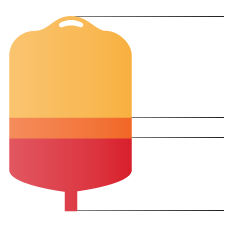
Whole blood donations: Your blood is collected and then sent to the lab to be separated into components.
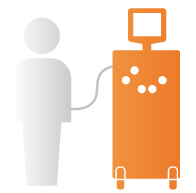
Apheresis donations: Your blood is collected by specialized equipment that separates blood into components during your donation. The device collects the components (red blood cells, platelets and/or plasma) needed most by patients and safely returns the rest to your body.
Both whole blood and apheresis donations are important. The type of donation that helps the most changes all the time, depending on patients’ needs. For example, if local hospitals are low on platelets, you will help them more if you make an apheresis platelet donation.